
Cooking with Knipp: The ancient herb that still inspires modern kitchens
By Laura Knipp
“Thyme is more than a kitchen herb; it is a bridge between history, health, and flavor.”
A Herb with a Story
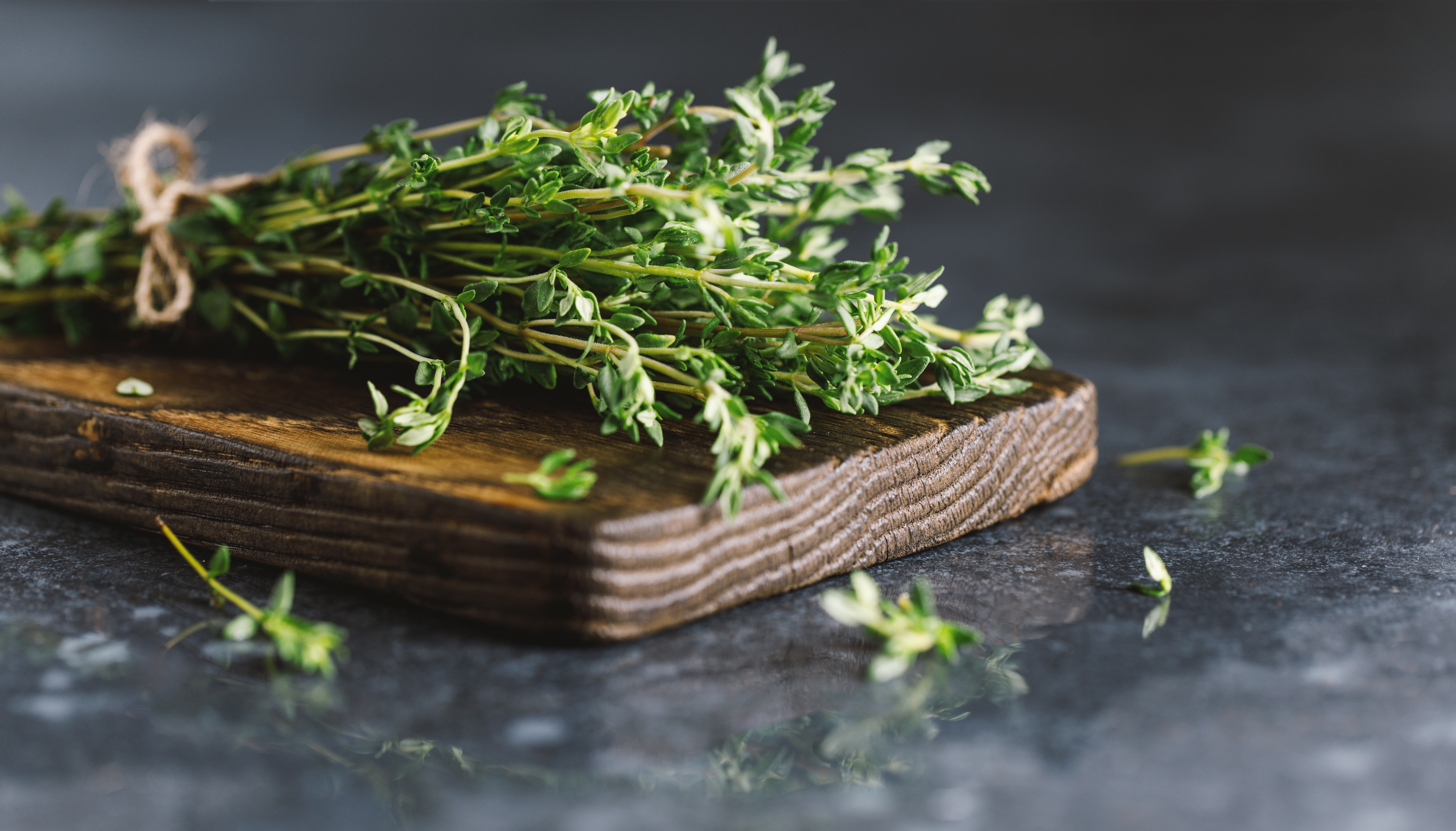
From the pyramids of Egypt to medieval kitchens in Europe, thyme (Thymus vulgaris) has traveled across centuries and cultures. Egyptians used it in embalming rituals. Greeks burned it in temples to symbolize courage. Romans spread it throughout their empire as both a medicine and a seasoning.
By the Middle Ages, thyme flavored stews, was tucked into pouches for protection, and became a trusted remedy for coughs and fevers. Today, it remains one of the most beloved herbs in kitchens around the world.
The Healing Power of Thyme
“Every tiny leaf carries vitamins, minerals, and centuries of herbal wisdom.”
Thyme is small but mighty. It brings both flavor and nourishment to the table.
Nutritional Benefits
- Rich in vitamins C and A for immune and skin health
- Contains manganese and iron to support strong bones and energy
- Antioxidant properties that help protect cells from damage
Health and Wellness Uses
- Respiratory Support: Thymol, a natural compound in thyme, helps fight bacteria and fungi. Thyme tea or syrup can soothe coughs and congestion.
- Digestive Aid: Helps calm the stomach and reduce inflammation.
- Topical Use: Thyme essential oil, when diluted, can be used as a natural antimicrobial balm.
Everyday Ways to Use Thyme
You don’t need to be a chef to make the most of thyme. Try adding it to everyday meals or simple home remedies.
- Tea: Steep sprigs in hot water with lemon and honey for a soothing drink.
- Steam Inhalation: Add thyme to hot water and breathe in the vapor to ease sinus congestion.
- Oil Rub: Combine thyme essential oil with olive oil to create a gentle, antibacterial skin balm.
Cooking with Thyme
Thyme’s earthy, minty, and slightly peppery flavor works beautifully in a wide range of dishes. It adds depth to rich meals and freshness to simple ones.
Recipe Inspiration
Rustic Roast Chicken with Thyme
Rub chicken with olive oil, salt, pepper, garlic, and fresh thyme. Roast until golden and serve with thyme-roasted vegetables.
Comforting Thyme Tea
Steep two sprigs in hot water. Add honey and lemon for a gentle, warming drink.
Thyme-Infused Tomato Sauce
Simmer tomatoes, garlic, onions, and olive oil with thyme sprigs, then toss with pasta.
Crispy Thyme Potatoes
Roast cubed potatoes with olive oil, sea salt, and thyme until golden and crisp.
Best Pairings
- Meats: Chicken, lamb, and beef stews
- Vegetables: Carrots, potatoes, mushrooms, tomatoes
- Seafood: Salmon, shrimp, mussels
- Eggs and Cheese: Quiches, omelets, sauces
- Breads and Oils: Herb focaccia, infused olive oils
Chef’s Tip: Add fresh thyme near the end of cooking for a burst of brightness. Use dried thyme early in the process to let the flavor deepen as it simmers.
Perfect Match: Thyme and lemon are a timeless Mediterranean pairing. Together they elevate roasted chicken, seafood, and grilled vegetables.
Growing Thyme at Home
Thyme is easy to grow and forgiving for beginners, making it a perfect addition to any home garden.
What It Needs
- Sunlight: At least 6 hours of direct sun each day
- Soil: Sandy, well-drained soil
- Water: Let the soil dry between waterings
- Pruning: Trim regularly to keep the plant full and tender
- Harvesting: Snip sprigs anytime, but the flavor is strongest before flowering
Gardener’s Note: Thyme grows beautifully in pots, so you can keep it indoors year-round.
A Closing Thought
From ancient temples to modern kitchens, thyme has always been a symbol of strength and healing. Whether you sip it, cook with it, or grow it on your windowsill, this humble herb reminds us that the simplest things can hold the most wisdom.
Laura A. Knipp, Mindful Nutrition Instructor
Laura A. Knipp is a wildlife biologist with a background in agriculture and ethnobotany, the study of plants and their cultural importance in food and medicine. Drawing on her deep connection to nature and her Indigenous heritage, which includes Lakota, Chickasaw, and Muskogee Creek ancestry, Laura brings a holistic perspective to mindful nutrition. She is passionate about sharing knowledge that helps others understand the power of plants and make more intentional, health-conscious choices in their daily lives.